
Various Artists
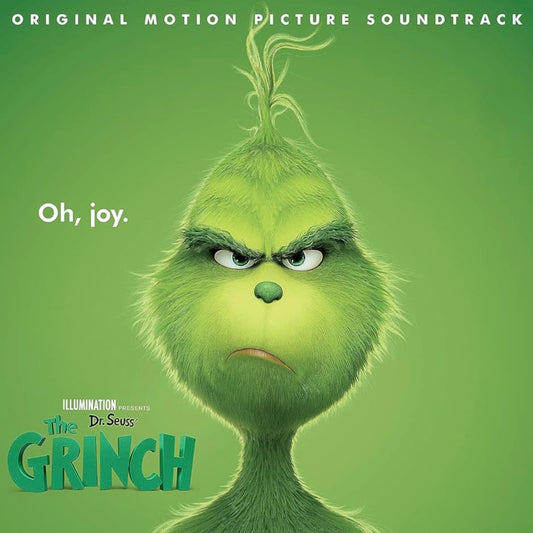
Dr. Seuss’ The Grinch (Original Motion Picture Soundtrack)
$30.99 CAD

$57.99 CAD
Shipping calculated at checkout. · ● In stock, ships within 48 hours
Format
Back in stock
Email me when this item is restocked.
The Call Of Cthulhu is a various‑artists concept compilation built around H. P. Lovecraft’s most famous tale, presenting it as an “audio nightmare” told through dark ambient, drone, and experimental electronic pieces rather than a straight spoken‑word adaptation. Across two LPs, the album uses an immersive sound design—low drones, distant choirs, metallic scrapes, and tidal surges—to trace the story’s arc from fragmentary clues and whispered cult lore to the awakening of an ancient god beneath the ocean. Rather than foregrounding individual performers, the sequencing functions like a single long suite, with each artist contributing a chapter in a continuous descent, so that side breaks feel more like acts in a play than isolated tracks.
Set against this bold soundscape, the “legendary” Call Of Cthulhu unfolds its nightmare vision of elder gods and lost cities as if the listener were walking through an audio drama stripped of dialogue but heavy with atmosphere. The music emphasizes dread and awe over jump scares: rhythms are slow or absent, melodies dissolve into texture, and themes recur like half‑remembered dreams, echoing the story’s obsession with buried memories and non‑human time. As a result, the album works both as an unofficial soundtrack for reading Lovecraft and as a standalone dark‑ambient journey—one that invites you to treat crackling vinyl, cavernous reverb, and unsettling sonic details as the “voices” of R’lyeh and its sleeping god calling from just beyond the edge of comprehension.